

The 2020 LIVE Vineyard Standard is now published and available here.
Below are the changes that we have made to the standard.
This year we focused on adding some biological controls to our list, improving our resistance management program for powdery mildew and botrytis, and replacing the more toxic chemistries for mealybug. We also are paying closer attention to EU regulations with regards to import of wine with pesticide residue.
If you have any questions, please email chris@livecertified.org or speak with your local technical committee chair.
Best wishes for 2020!
---
Yellow List
-
The following fungicides were added to the Yellow List for 2020 (see Yellow List for detail)
- Aureobasidium pullulans (Botector)
- Polyoxin D zinc salt (PHD/OSO)
- Cerevisane (Romeo)
- Pyriofenone (Prolivo)
- Cyprodinil/Fludioxonil (Switch)
- Removed the fungicide iprodione (Rovral/Meteor) due to EU regulation
- Difenoconazole/Cyprodinil (Inspire Super) fungicide will not be permitted to be used in LIVE vineyards beginning in 2021 due to dermal cancer risk from difenoconazole. If used in 2020, please take all safety precautions necessary and be sure to follow restrictions for FRAC 3.
- In addition to the fungicides for botrytis and powdery mildew, we added a Yellow List options for trunk Disease - myclobutanil (Rally)
- We will remove the neonicotinoids dinotefuran and thiomethoxam for mealybug in 2021 due to resistance and toxicity and seek replacement product(s) for this pest
- Added Flupyradifurone (Sivanto) for mealybug
Checklist
- Added green item 2.2.11 to complete biodiversity tool (see checklist item notes for download of tool)
- Added language in item 6.6.1 to address testing compost built on site from purchased ingredients
- Changed item 7.4.1 from yellow to red: Irrigation water is obtained from a legal, state-approved, and sustainable water source
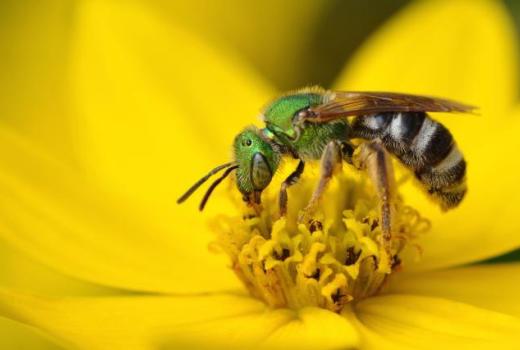
Vineyard Standards Updates for 2022
Each year, LIVE's Joint Technical Committee meets to review our vineyard standards and discuss key pest determinations, testing requirements, and new chemistry evaluations. Updates for the 2022 growing season are below and the final documents are at livecertified.org/certify. Contact LIVE staff to be connected with your Regional Tech Committee chair.

Industry Carbon Footprint
LIVE and Good Company have collaborated to publish a comprehensive study on the carbon footprint of the regional Pacific Northwest wine industry. This is a landmark publication for LIVE that will help the Oregon and Washington wine industries achieve carbon neutrality in the near future if the...