

In the world of sustainable farming, "beneficial species" refers to animals and organisms that contribute positively to the health and productivity of agricultural ecosystems. These species play crucial roles in natural pest control, pollination, and soil health, helping to reduce the reliance on synthetic chemicals and promote ecological balance.
This week, we’d like to shine a light on the red-tailed hawk, a highly beneficial native bird for winegrowers to befriend.
Rodents such as voles and small birds can do serious damage to grape vines and their fruit. Raptors, including hawks, owls, eagles, and kestrels are fantastic natural pest control keeping down rodent and small bird populations. The red-tailed hawk feeds on voles, gophers, rats, small birds, mice, and squirrels. Some consume as many as four animals per day adding up to more than 1,000 rodents a year!
To attract hawks to your vineyard, growers can:
- Install raptor perches
- Have large trees in the vineyard for raptors to nest in
- Install nesting boxes
- Eliminate pesticides & rodenticides that are harmful to soil health and also affect the nervous system of birds (such as hawks) that ingest poisoned insects, birds, and rodents
Natural Vole & Rodent Control
A good management strategy uses multiple tools to target your pest pressures. Here are some strategies for natural vole control:
- Disrupt burrows by light cultivation
- Leave a wide swath of bare ground around affected areas. Voles will not travel long distances over bare ground.
- Install owl boxes and kestrel perches
- Bring a falconer to the vineyard
- Work with neighbors to encourage habitat on their property as well - birds of prey may forage miles from their home. If possible, encourage mated pairs, as families of owls will consume many more rodents.
- Trapping where it is legal to do so
- Flip fencing to allow coyotes to pass through (better for dry-farmed vineyards as they are known to chew on irrigation hoses)
More Resources
- To hear red-tailed hawk bird calls and learn more about the red-tailed hawk (migration patterns, climate vulnerability by season, key descriptors, and more), visit this Audobon webpage.
- To learn more about vole behavior and management, this is a resourceful guide.
Young hawk photo by Thomas Jarrold

2017 Board Ballot and 2016 Annual Meeting Minutes
The 2017 LIVE Board of Directors ballot and the 2016 LIVE Annual Meeting minutes have been published. Please review these documents for respective votes to approve at the LIVE Annual Meeting on April 18th, 2017. You may also cast your ballot by mail or email.
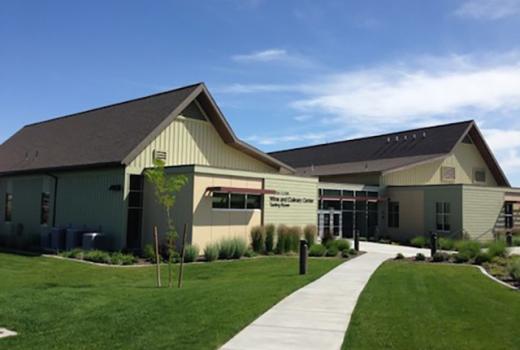
LIVE Opens Prosser Office
LIVE is pleased to announce that it has hired a staff person who will focus on memberships throughout the Pacific Northwest. Brighid O’Keane, the Washington & Idaho Outreach Coordinator, will work from LIVE’s new office at the Walter Clore Center in Prosser, WA. The goals of this position are to...